
Architects, Are You Ready? Structural Engineers Are Setting the Pace in Carbon Reduction
Discover how the SE 2050 Commitment is revolutionizing sustainable design and what it demands from architects.

Discover how the SE 2050 Commitment is revolutionizing sustainable design and what it demands from architects.
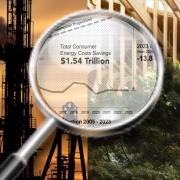
Uncovering false narratives and institutionalized deceptions is critical to building a responsible and informed future for energy and the built environment. And the reality is, there is no “national energy emergency.”
An exclusive interview with LMN Architects’ Kjell Anderson unveils the challenges and evolving strategies in achieving zero carbon emissions in architecture.

The transformation of our built environment currently underway stands as one of the most remarkable yet understated stories in the fight against climate change and despair.
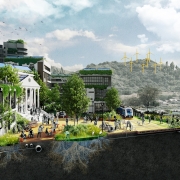
After a two-year collaboration between Architecture 2030 and Climate Positive Design, we are pleased to announce the publication of a series of new and updated resources to support policymakers, planners, and designers in full built environment decarbonization.

COP28 ended in Dubai last week, with significant implications for buildings, cities and the planet. While the eyes of the world were on the wording around fossil fuels, COP’s impacts can’t be boiled down to a few lines of text.

Better than expected, but not ideal. That’s the news on fossil fuels, and everything COP28. The real action starts now.
A Statement from the Architecture 2030 COP28 Delegation

The built environment, at all scales, is deeply connected to food, agriculture, and water.

We have to challenge how we think about development, appreciating that every act of construction has emissions.
