Published on: June 27, 2026

The built environment is not just part of the climate problem — it is one of our most powerful solutions.
For two decades, Architecture 2030 has given our community something rare in this moment of climate urgency: clarity. The 2030 Beyond the Numbers report, developed in collaboration with the American Institute of Architects, continues that tradition — arriving precisely when we need it most, with a clear-eyed map of the last mile to zero operating emissions.
The report offers a simple but transformative idea: what if every project we design included a clear path to zero?
Not a pledge. Not an aspiration. A path — presented to every client on every project, from day one.
That shift in practice does three things at once. It treats zero operating emissions not as an aspirational target but as an incremental journey tailored to each client’s context, budget, and constraints. It gives design teams confidence to act by anchoring solutions in proven techniques and technologies already within reach. And it names what lies beyond the project — grid limitations, policy gaps, funding structures — so we can address those barriers as a community rather than absorb them as individual failures.
Context has always shaped what we can deliver. Budgets, codes, market conditions, client readiness — these are not excuses, they are the realities of practice. A structured path to zero operating emissions doesn’t ignore this reality; it helps us navigate it with confidence.
The urgency now isn’t proving we can do high-performance work. We can. It’s doing it consistently — on every project, with every client. The difference between our award-winning projects and our routine ones is where the climate opportunity lives.
We have the knowledge. We have the tools. And in 2030 Beyond the Numbers, we have the proven pathways. What remains is the resolve to lead every client down that path.
That is the work ahead.


2030 Beyond the Numbers
Five years out from the 2030 Challenge deadline, Architecture 2030 has released 2030 Beyond the Numbers, developed in collaboration with the American Institute of Architects, as a companion to the AIA’s annual 2030 By the Numbers report card that charts an Acceleration Pathway for the architecture profession’s last mile to zero operating emissions for new construction and major renovations. Where AIA’s annual 2030 By the Numbers reports aggregate how far the profession has come, 2030 Beyond the Numbers examines what it will take to close the remaining distance — drawing on more than 17 hours of in-depth interviews with 39 practitioners from 31 architecture and engineering firms, independent quantitative analysis of over 30,000 U.S. design projects, and a comprehensive literature review.
The 2030 Challenge called for eliminating fossil fuel energy consumption in new construction and major renovation projects — an outcome that depends on three interdependent levers: reducing energy demand through efficiency, eliminating on-site fossil fuel combustion through electrification, and sourcing renewable energy. Two decades of engagement with the Challenge have systematized energy efficiency across the profession. The last mile extends that same systematic approach to electrification and renewable energy, the levers that complete the path to zero operating emissions. The report centers on three firm-level strategies practitioners can act on now:
- Institutionalize Cultural Accountability — The pathway begins with the decision to own the targets. Firms that embed performance goals into governance and project management describe a consistent shift: zero operating emissions becomes a firm-wide expectation, not a project-by-project variable.
- Adopt an Emissions-Centric Measurement Approach — With accountability in place, the next step is ensuring that what firms measure reflects the full scope of their commitments. Tracking operational emissions alongside energy efficiency captures the contributions of electrification, renewable energy, and grid decarbonization.
- Implement the Path to Zero Operating Emissions — With accountability structures and an accurate measurement lens in place, firms can systematically pursue zero operating emissions on every project — defining internal standards for zero operating emissions readiness, developing renewable energy procurement literacy, and creating client roadmaps across the full portfolio.
2030 Beyond the Numbers was made possible through the longstanding partnership between Architecture 2030 and the AIA, and by the thousands of signatory firms whose participation in the AIA 2030 Commitment has both transformed architectural practice over the past two decades and generated the dataset behind this analysis.

Decarbonizing the Built Environment through Heritage Toolkit
Advocates, practitioners, and policymakers have a powerful new tool for putting heritage-informed decarbonization into practice. The Heritage Now! campaign has launched its Decarbonizing the Built Environment through Heritage (DBTH) Toolkit. Developed for the Climate Heritage Network and shaped directly by the insights and real-world experience of its built environment members, the toolkit translates the case for reuse, retrofit, and traditional building practices into practical guidance — connecting climate action, cultural heritage, and community resilience.
The toolkit anchors the next phase of the Heritage Now! campaign, providing the foundation for its summer webinar series and giving communities worldwide concrete examples of how preservation and climate goals can advance together. DBTH is led by Built Buildings Lab for the Climate Heritage Network, in collaboration with Architecture 2030 and the University of Lagos Architecture and Urbanism Hub.
Heritage Now! Campaign Webinar Series
The Heritage Now! campaign — launched at COP30 to advance heritage-informed decarbonization in the built environment — is rolling out a series of webinars this summer exploring how cultural heritage, building reuse, and traditional practices can drive climate action while strengthening community resilience.
- Heritage-Informed Decarbonization Around the Globe — Thursday, July 16, 2026
- Implementing Heritage-Informed Decarbonization Policies — Tuesday, August 18, 2026
The July and August sessions draw on the new Decarbonizing the Built Environment through Heritage Toolkit, highlighting practical examples and case studies of preservation and climate goals working together.

Stay informed and inspired with recent articles and resources by Architecture 2030 and our multidisciplinary network of thought leaders. Dive in and explore the latest insights.
ARTICLES

Future+ Bali. Photo by Dodik Cahyendra
An interview by Erin McDade, Architecture 2030 Senior Program Director, with Yaki Wo, Architecture 2030 Asia Lead and Senior Fellow, on the Future Positive Regenerative Leadership Program.
Architizer, April 2026
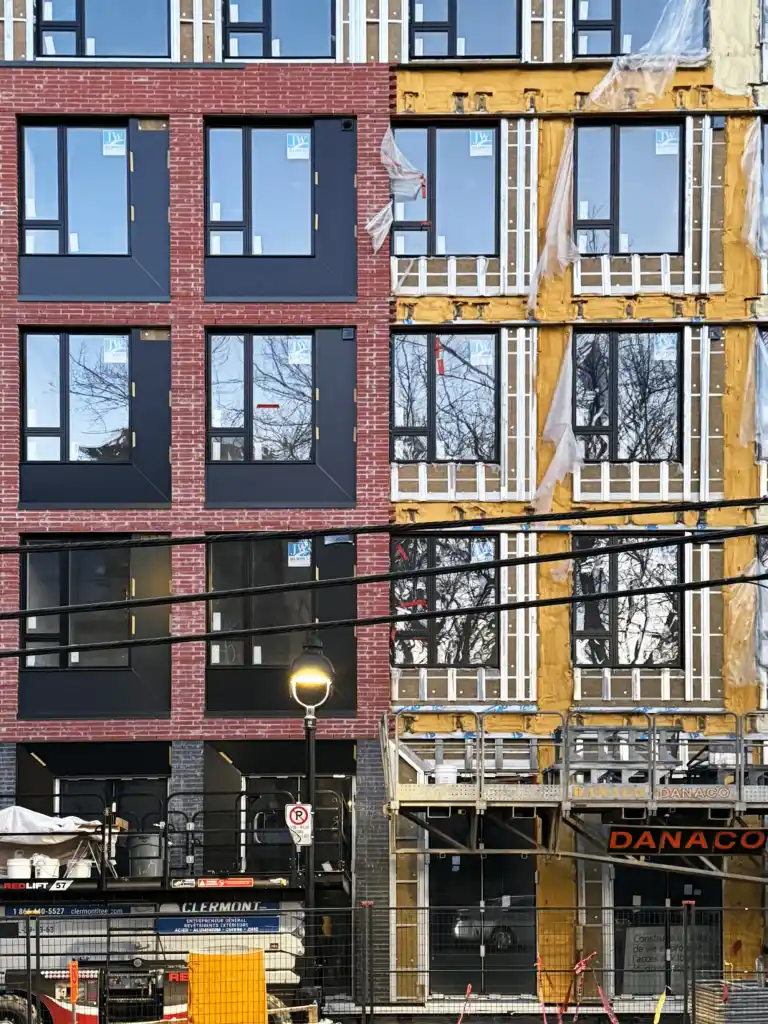
Montreal, QC. Photo by Juliette Cook.
By Juliette Cook and Architecture 2030 Senior Fellow Kelly Alvarez Doran, Ha/f Climate Design.
ARCHITECT, Carbon Positive, April 2026
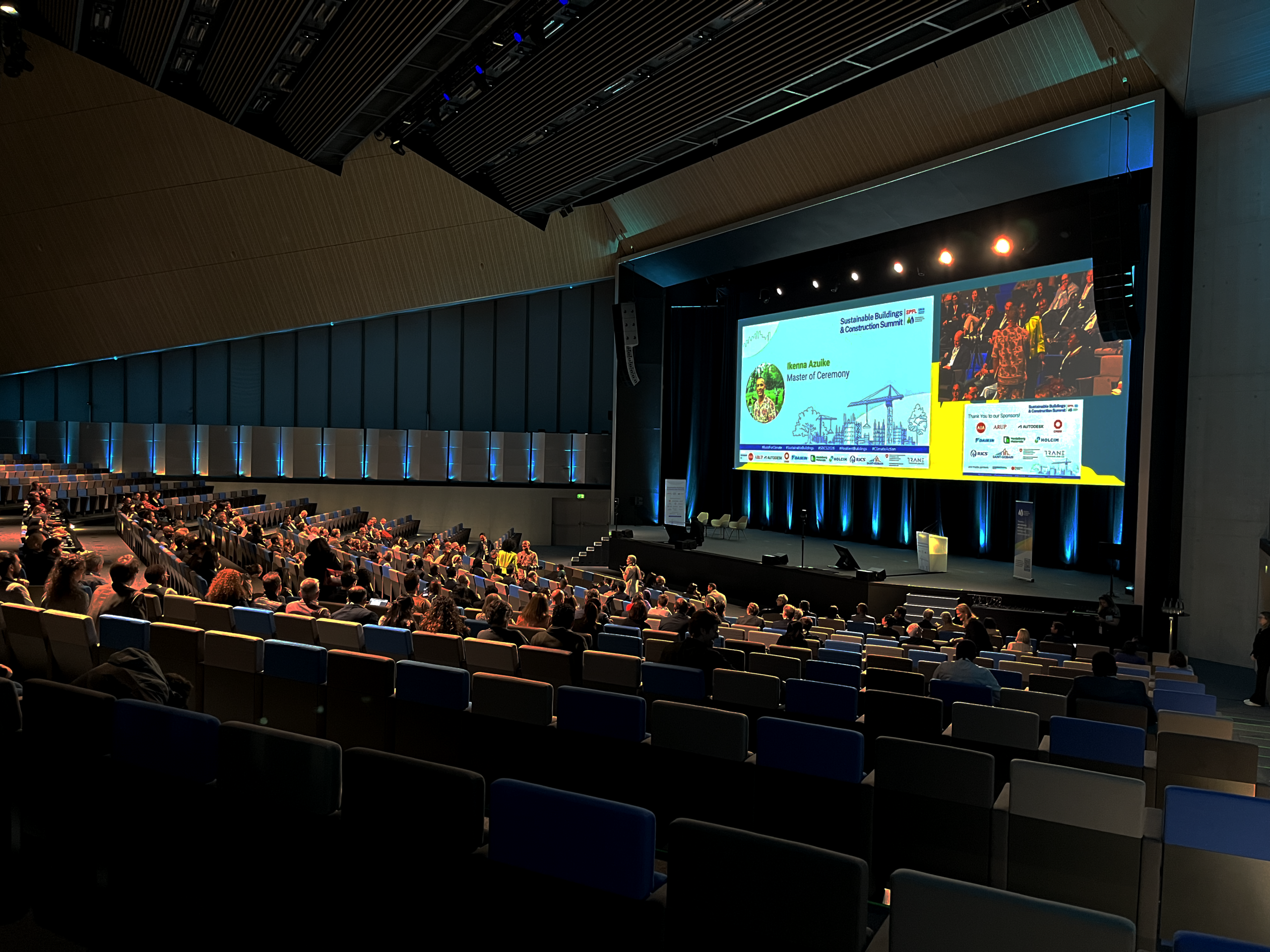
Photo by Vincent Martinez.
Architecture 2030 helped shape the agenda and led a global delegation to Lausanne for the second-ever global climate event dedicated to the built environment — co-leading a workshop on culture and social sustainability and mapping the field’s emerging coalitions.
Lausanne, April 2026
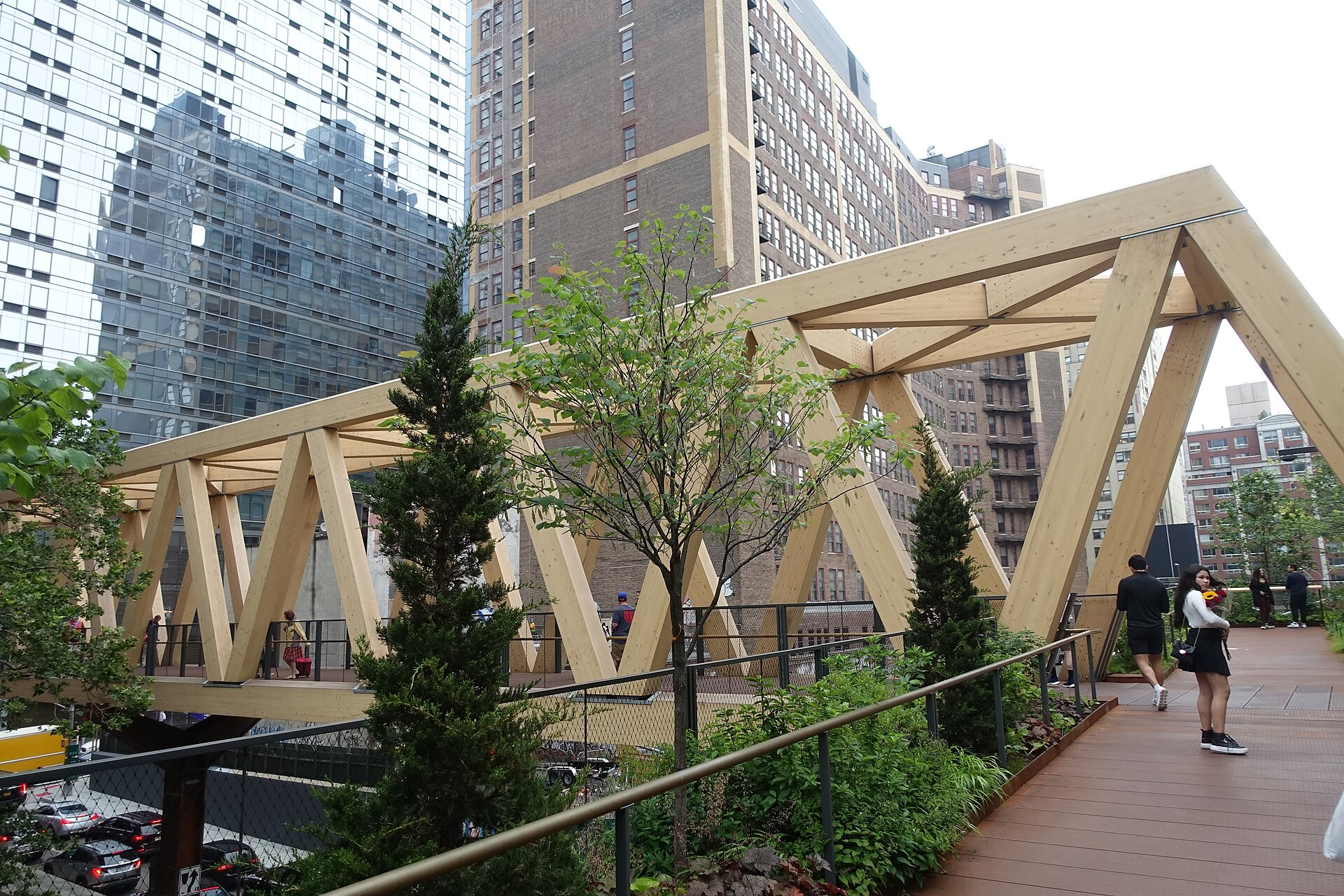
Moynihan Connector Timber Bridge, High Line, NY. Photo by Tdorante10, CC BY-SA 4.0, via Wikimedia Commons.
By Prateek Srivastava, Stantec — co-lead of the Bridge Group for ASCE’s Infrastructure 2050 — on translating the building sector’s embodied carbon ecosystem into infrastructure practice.
Common Edge, May 2026
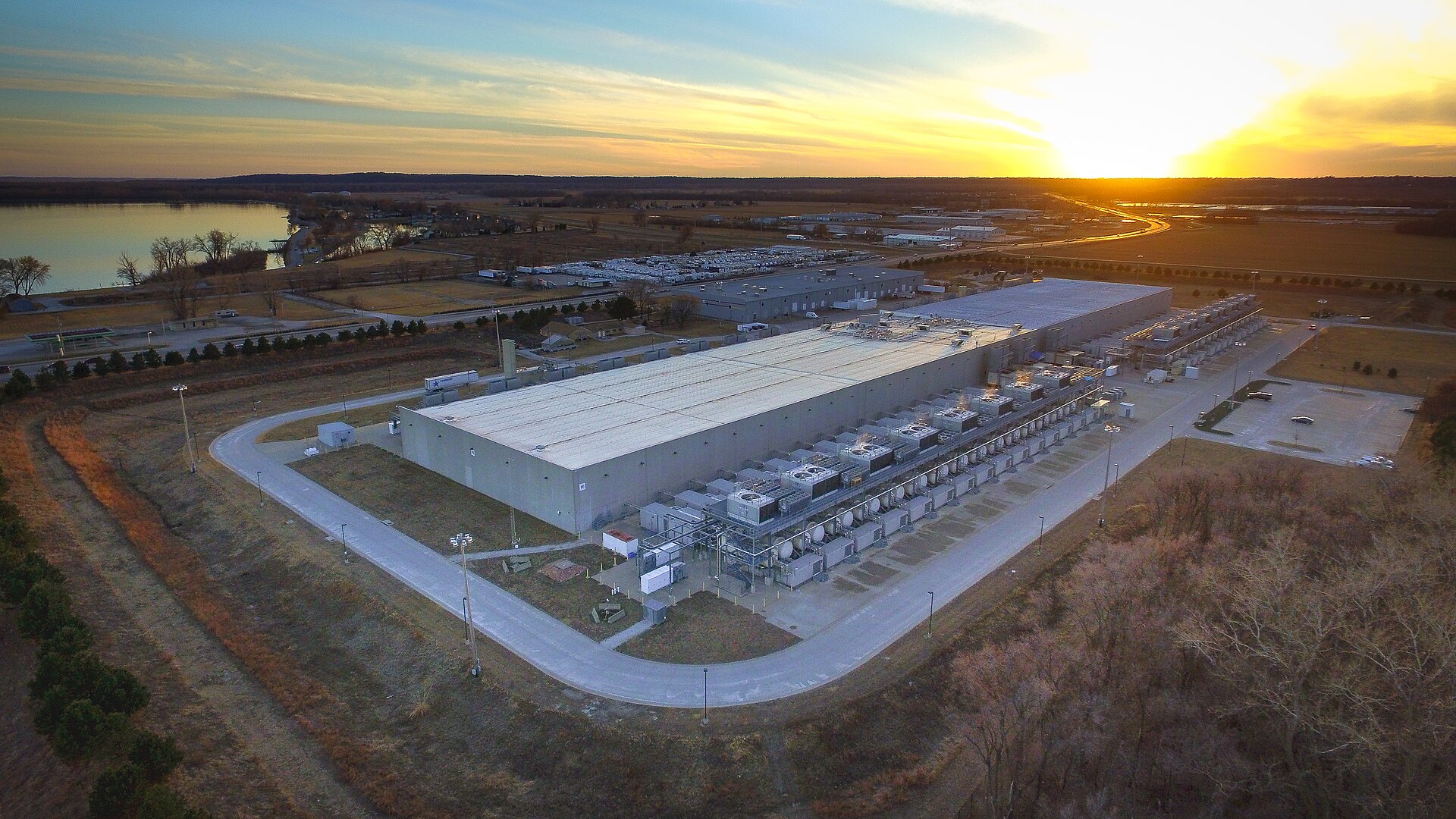
Aerial view of the Google Data Center, Council Bluffs, Iowa. Photo by Chad Davis, CC BY 2.0, via Wikimedia Commons.
By Architecture 2030 Founder Edward Mazria — with communities revolting against hyperscale AI data centers, a proposal to rebuild the AI economy on the bones of retired coal and gas plants.
ARCHITECT, May 2026
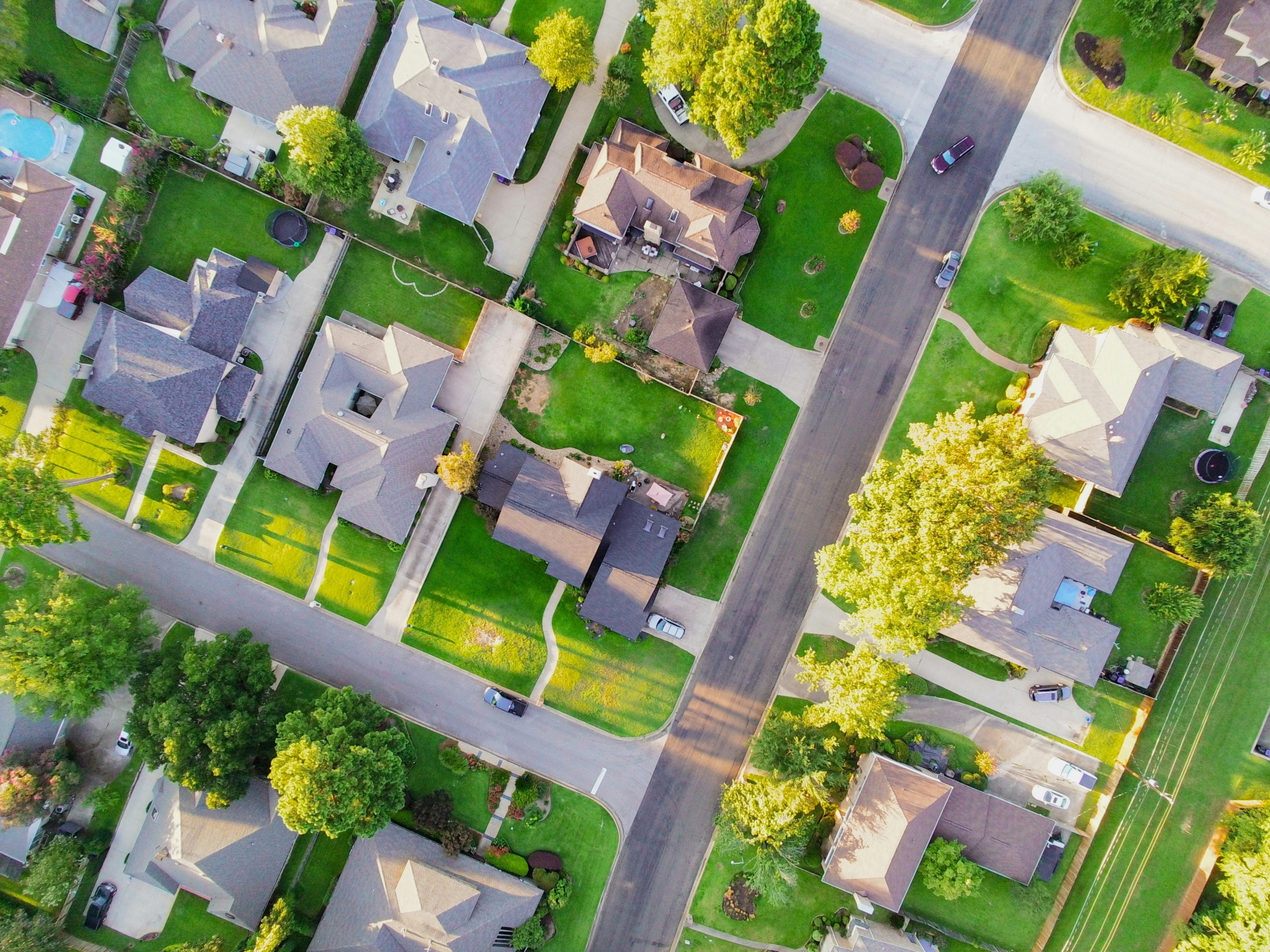
Photo by J King on Unsplash.
Point-of-sale is one of the key intervention points Architecture 2030’s Achieving Zero Framework identifies for cities working to decarbonize their existing buildings — and Berkeley’s Building Emissions Saving Ordinance (BESO) puts it to work, tying home sales to climate performance as a model for point-of-sale disclosure and building decarbonization.
The Mercury News, May 2026

Image: AI Generated
Architecture 2030 announces the release of the Data Center Evaluation Checklist — a comprehensive, 8-point framework designed to guide developers, policymakers, and urban planners in creating sustainable, zero-carbon digital infrastructure.
By Architecture 2030 Founder Edward Mazria, June 2026
TOOLS & RESOURCES
Mechanical, electrical, and plumbing systems can account for more than half of a building’s embodied carbon — and up to 73% of its whole-life carbon — yet have long been left out of most carbon assessments. Released on Earth Day 2026, Version 2 expands the guide with new equipment reporting sub-categories and refrigerant loss factors built in per equipment type, sharpening how practitioners measure and reduce the carbon impact of MEP systems.
By MEP 2040 and the Carbon Leadership Forum

Shape what’s next. Get involved with upcoming funding and engagement opportunities designed to accelerate action.

Applications are now open for the International Sustainable Building Competition, organized within the framework of COP31 to promote climate-resilient, sustainable construction worldwide and spotlight examples of best practice. Winning projects will be exhibited in Antalya throughout COP31, with awards presented by high-level officials at a dedicated ceremony.
Application Deadline: 15 October 2026