
Published on: March 11, 2026

Dear Colleagues,
Our community has known for decades that buildings represent one of the most significant opportunities to address climate change. We influence the industries that make our materials, the amount and type of energy needed to power our grid and the buildings it serves, and the resilience necessary to withstand the changing environment around us. We work on the demand side of the equation. We’re pragmatic and we get our hands dirty.
Buildings haven’t always played a prime role in global climate negotiations, but thanks to advocates and practitioners in our community who show up year after year, buildings have risen to ministerial level negotiations at the United Nations Conference of Parties (COP) on Climate Change. COP30 featured the first ever Intergovernmental Council for Buildings and Climate (ICBC), Ministerial Meeting, with progress on numerous fronts including timber construction, heritage buildings, and adaptation. The confluence of negotiators, environmental organizations, and practitioners has been key to moving policy and strategy from dialogue to implementation. COP30 was dubbed ‘the implementation COP’ because of a shared understanding that we have sufficiently demonstrated the strategies and technologies needed to address climate change. The next step is scaling up implementation and finance.
As a community we need to not just keep showing up, but ramp up our engagement – at the UNEP Sustainable Buildings and Construction Summit in Lausanne this April (the second global climate event dedicated to the built environment), and COP31 in Antalya this November. Our experience and voices are essential.


Architecture 2030 and our community of practitioners were active participants in COP30, advancing the built environment as a key climate solution on this international stage. Our network contributed expertise across workshops, policy discussions, and advocacy efforts. Explore the publications, campaigns, and session recordings that emerged from this pivotal gathering.
PUBLICATIONS
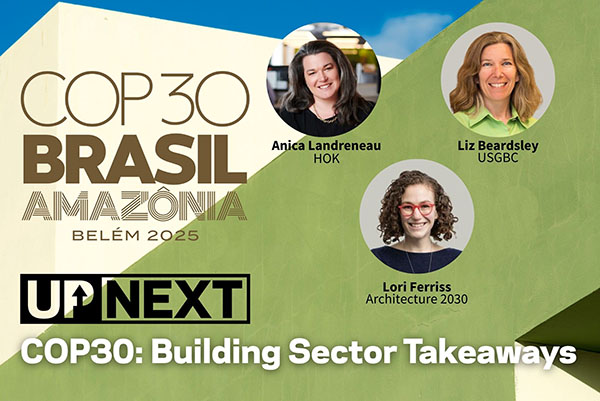
By Architecture 2030 Senior Fellow Lori Ferriss, Built Buildings Lab, Architecture 2030 COP30 delegate Anica Landreneau, HOK, and Liz Beardsley, USGBC

By Architecture 2030 Senior Fellow Lori Ferriss, Built Buildings Lab
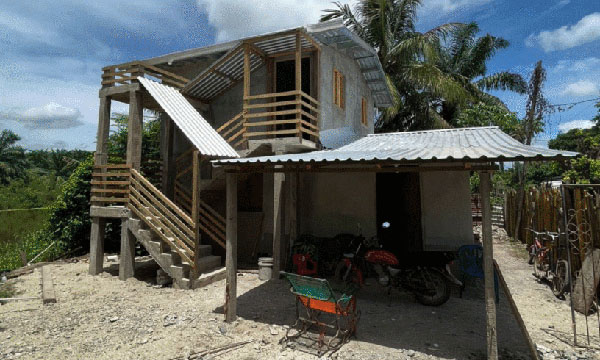
Image credit: Build Change
By Ariana Karamallis, Build Change
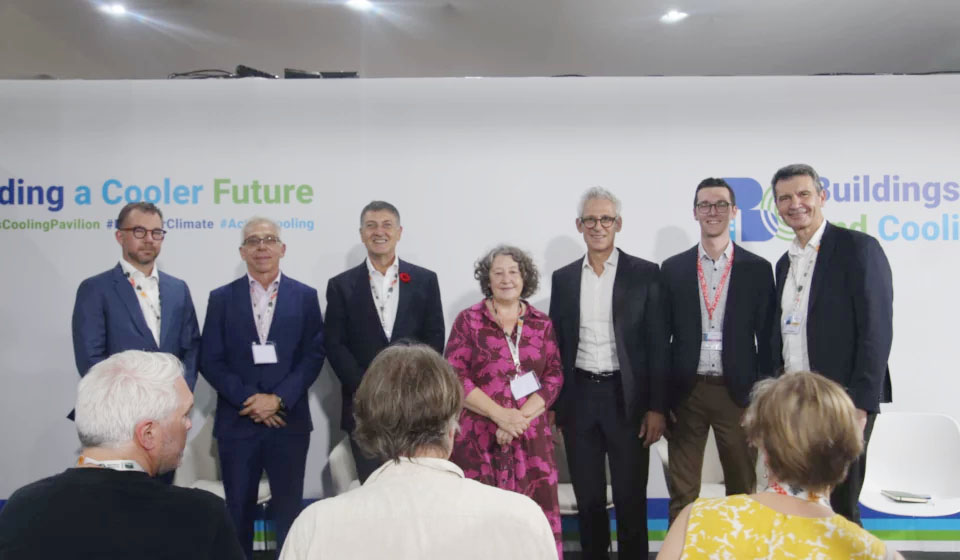
Featuring Built by Nature 2025 Prize winners Susan Jones and Architecture 2030 Senior Fellow Andrew Waugh
CAMPAIGNS
Join the global initiative to protect cultural heritage from the climate crisis.

Endorse the Principles for Responsible Timber Construction to ensure that mass timber delivers on its climate promise.

COP30 SESSION RECORDINGS
Exploring how historic preservation and sufficiency principles intersect in climate action.
Lori Ferriss, Architecture 2030 Senior Fellow, Built Buildings Lab – Moderator
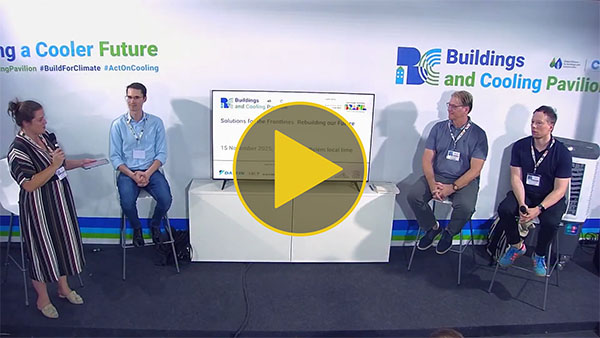
Addressing climate adaptation strategies for communities most vulnerable to climate impacts.
Victoria Burrows, Architecture 2030 Board Member, Kompas VC – Moderator

Examining digital tools for tracking building performance and embodied carbon across lifecycles.
Anica Landreneau, Architecture 2030 COP30 Delegate, HOK – Moderator
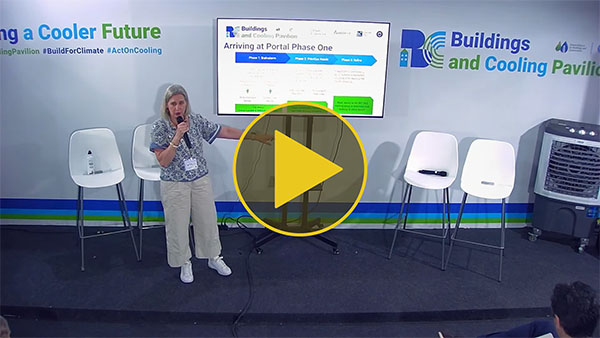
Equipping stakeholders with resources to design and operate sustainable, climate-resilient structures.
Mina Hasman, SOM– Panelist
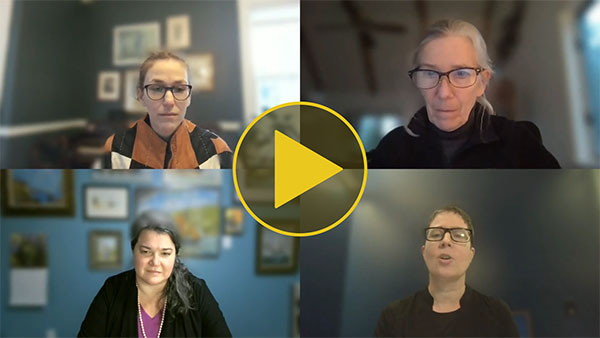
Post-COP Linkedin Live featuring Architecture 2030 Senior Fellow Lori Ferriss, Built Buildings Lab, and Architecture 2030 COP30 delegate Anica Landreneau, HOK

Sustainable Buildings and Construction Summit | Lausanne, Switzerland
Architecture 2030 is playing a key role in shaping the agenda for the upcoming Sustainable Buildings and Construction Summit, taking place April 20-22 in Lausanne, Switzerland. This landmark convening — only the second global climate event dedicated to the built environment — brings together international leaders to accelerate sustainable transformation in buildings and construction. Architecture 2030 has been invited to co-lead a workshop on culture and social sustainability as the foundation for sustainable construction, and will support additional workshops on topics ranging from extreme weather resilient construction to circularity and urban planning. Architecture 2030 is bringing a delegation of experts to this critical international forum.
2030 Beyond the Numbers
This spring, Architecture 2030 will release 2030 Beyond the Numbers, a companion to AIA’s annual By the Numbers industry report card. Five years out from the 2030 Challenge deadline, we recognize that this final stretch will require different approaches than what got us this far. Leading firms are already implementing these approaches — 2030 Beyond the Numbers charts the actions for scaling them industrywide. Through over 17 hours of conversation with 41 practitioners from 31 architecture and engineering firms, we captured the strategies that are working right now. The result: immediately implementable pathways to scale what has already been proven possible. The last mile to zero operating emissions is achievable. This report will demonstrate how.
Decarbonizing the Built Environment Through Heritage Toolkit
The Heritage Now! campaign calls for policy transformation to accelerate heritage solutions in built environment climate action. The campaign officially launched at COP30 in Brazil with a call for policymakers and industry leaders to implement 5 Recommendations for Heritage-Informed Decarbonization backed by organizational signatories representing over 500,000 voices.
This spring, Heritage Now! is ramping up with global programming, community-building, and training, culminating with the launch of a toolkit to support advocates and policymakers. Join the campaign, and stay tuned to learn more about how culture and heritage can drive place-based climate action while strengthening local communities and economies.
Heritage Now! is part of the Decarbonizing the Built Environment through Heritage project led by Built Buildings Lab for the Climate Heritage Network. Learn more about the project and the Climate Heritage Network’s Imagining Futures initiative to get involved.

Stay informed and inspired with recent articles and resources by Architecture 2030 and our multidisciplinary network of thought leaders. Dive in and explore the latest insights.
ARTICLES

By Pamela Conrad, Architecture 2030 Senior Fellow, The SALATA Institute For Climate And Sustainability, October 2025
Read the Q&A By Vincent Martinez with Pamela Conrad, Architecture 2030 Senior Fellow, on her work on Protecting the Coasts without Cooking the Planet for The SALATA Institute For Climate And Sustainability at Harvard University
Common Edge, January 2026

By Edward Mazria
The Architect’s Newspaper, January 2026
By The Landscape Architecture Foundation, January 2026
Six Selected for 2026-27 LAF Fellowship for Innovation and Leadership. This includes one senior-level professional, two mid-career, and three recent LAF Olmsted Scholars will form the ninth cohort of LAF Fellows.
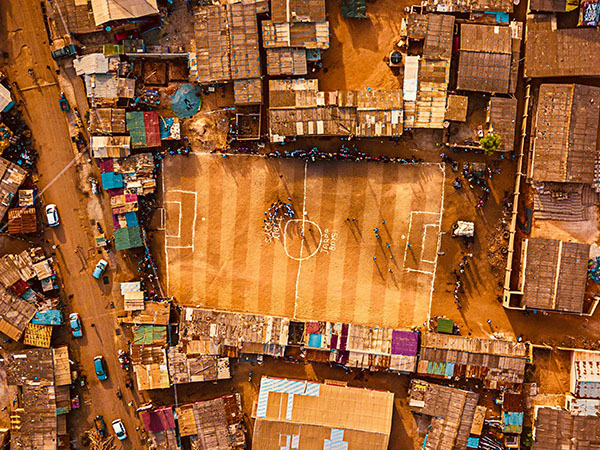
Photo by Amos Kofi Commey via Pexels
By Jamie Jang
Architizer, December 2025
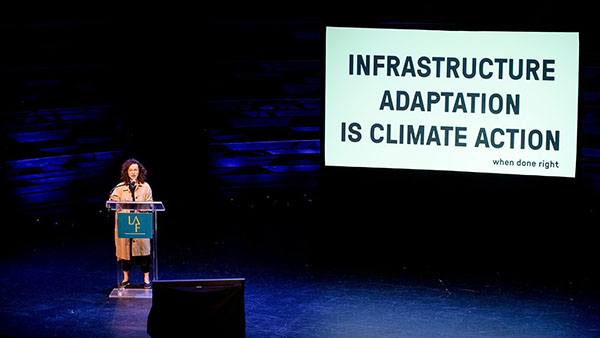
By Anya Domlesky
Landscape Architecture Foundation, December 2025
Watch Anya Domlesky’s presentation at the 2025 LAF Innovation + Leadership Symposium
By Ariana Karamallis and Marsella Garcia Prieto
New America, November 2025
TOOLS & RESOURCES
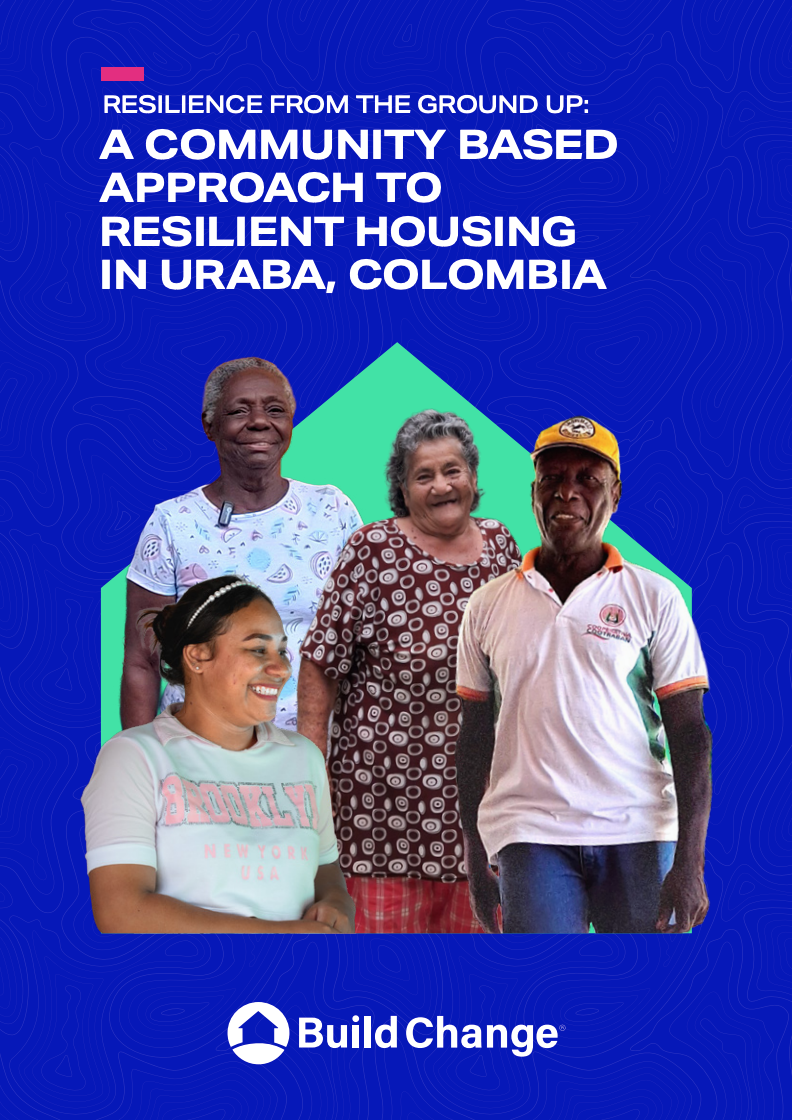
Community-led housing strategies building climate resilience in vulnerable Colombian regions.
By Ariana Karamallis and Marsella Garcia Prieto, Build Change

Photo credit: Colin J. Marsden
Assessing embodied carbon impacts of nature-based coastal protection infrastructure.
By The Salata Institute For Climate and Sustainability at Harvard University

Massachusetts’ policy framework for reducing embodied carbon in buildings and infrastructure.
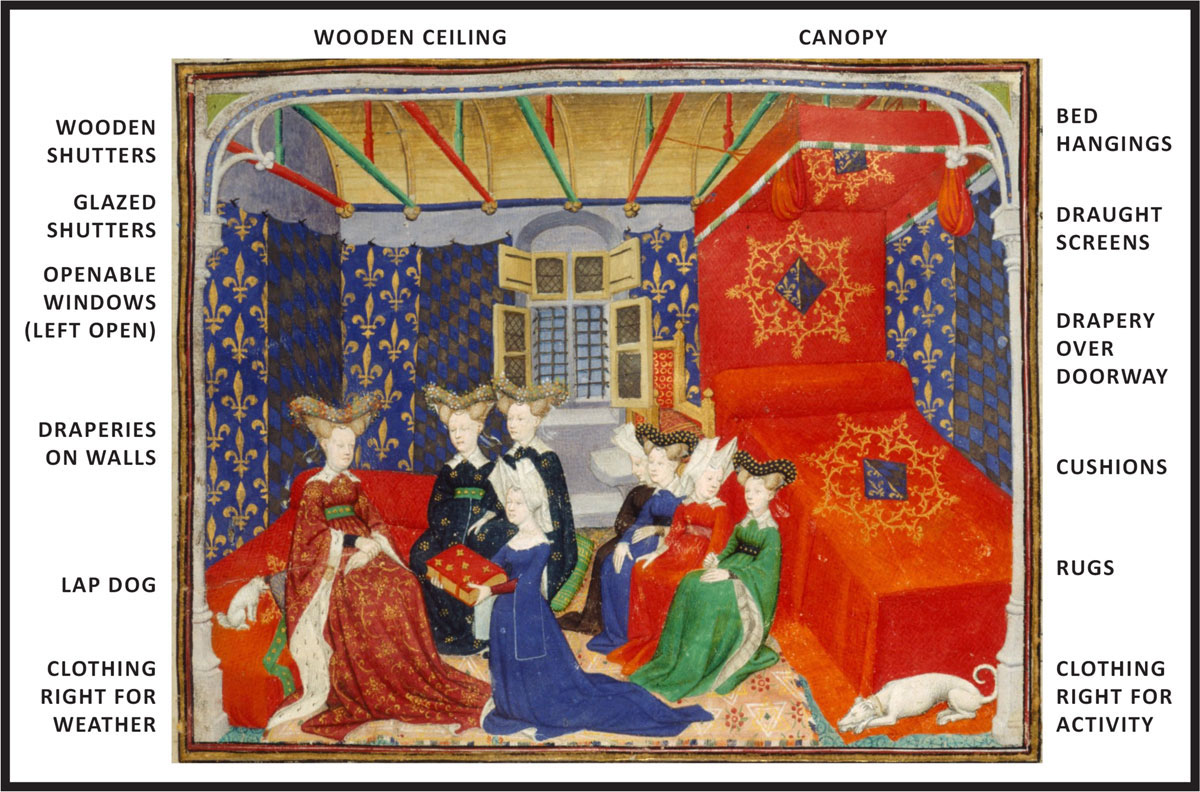
Image Courtesy: British Library, London, Harley MS 4431, f. 3r. Public domain. Annotations: Robyn Pender
Centering occupant needs and behavior in building retrofit strategies.
By Bill Bordass, Robyn Pender, Katie Steele, and Amy Graham
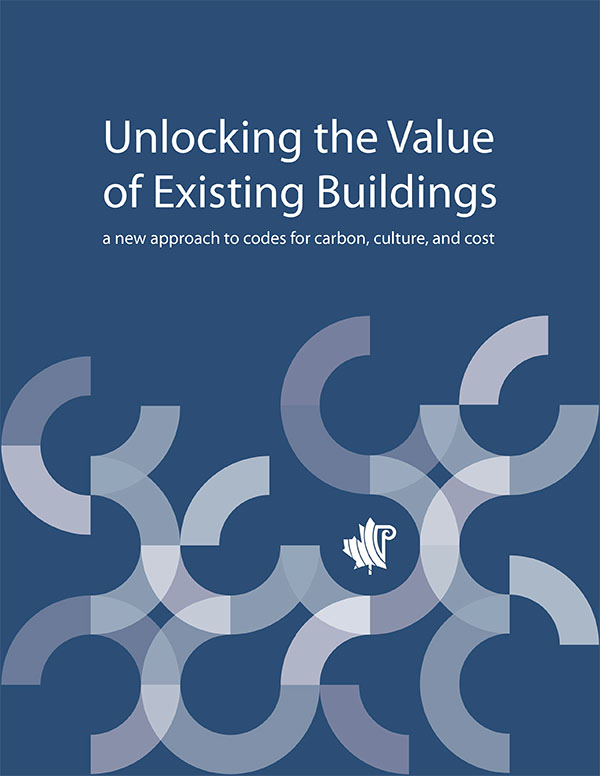
Reforming building codes to prioritize adaptive reuse and heritage preservation.
By the Canadian Association of Heritage Professionals (CAHP), Giaimo, Ha/f Climate Design, WSP, and A.W. Hooker Quantity Surveying & Cost Consulting

Shape what’s next. Get involved with upcoming funding and engagement opportunities designed to accelerate action.

SHIFT is a global platform dedicated to showcasing successful projects of architecture and urbanism that work in harmony with local climates, cultural and human necessities, and ecological pressures.
They are looking for projects that combine outstanding design quality with consistent sustainability, material innovation, passive low-tech strategies, systemic thinking, and strong social engagement..

The Sustainable Buildings and Construction Summit 2026 brings together a diverse coalition of stakeholders, thought leaders and innovators from academia, government, industry, and civil society to reimagine how we build and live within planetary boundaries.
April 20-22, 2026 | Lausanne, Switzerland
Thank You To Our Underwriters
Underwriters power meaningful transformation. Thank you to the firms that accelerate the shift toward a zero-carbon, climate-positive built environment.
Anchor Underwriters Pledged Through 2030




2024-2025 Annual Underwriters
Catalyst


Supporting




Contributing